Implementing Playful Mathematics Tasks in Calculus Sections
A preliminary research paper on building playful and engaging classroom environments for undergraduate calculus classes.
Timeline — April 2024-Present
Team — Dr. Caro-Williams Pierce | Rahul Rao Gannamaneni | Samarth Ashwathanarayana | Shreya Deep
Learning through play
Mathematical play has been well-studied in early childhood, but only very recently has become a key topic of interest when considering formal and informal education with youth and adults. Our goal was to test whether playful pedagogy could improve confidence, collaboration, and enjoyment in an undergraduate-level Calculus course that is often seen as a gatekeeper to STEM fields.
Methodology:
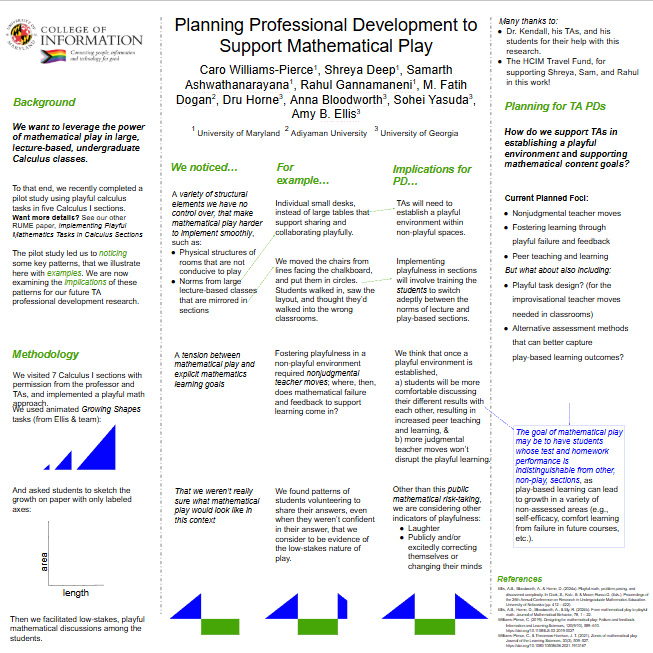
Our study was conducted across five sections of two large undergraduate Calculus I courses. We introduced a series of playful calculus tasks (Ellis, Horne, Bloodworth, & Ely, 2025) designed to help students think more creatively about mathematical relationships. For example, sketching how area changes with length as animated shapes grow on screen. Students worked in small groups to discuss their reasoning and share their graphs, while instructors mainly facilitated by asking questions rather than providing direct answers.
To understand students’ experiences, we collected surveys, audio, and video data from participating sections. The surveys asked students to describe how they felt about the lessons (for example, fun, interesting, stressful, etc.), how well they understood the topic, and how engaging they found the activities overall. We analyzed 85 survey responses using descriptive statistics in R, alongside ongoing qualitative review and coding of the recorded classroom interactions. Together, these methods helped us explore how playful learning might influence engagement, understanding, and enjoyment in a traditionally high-stakes math environment.
Outcomes and Impact:
Overall, we found that the students found the playful calculus activities fun, engaging, and appropriately challenging, even though they felt quite different from a typical class. These tasks encouraged curiosity and interaction with their peers, showing that playful learning can make calculus more approachable and enjoyable. The results are now shaping our next phase of research on integrating these methods into TA training and classroom practice.
Presenting at RUME 2025
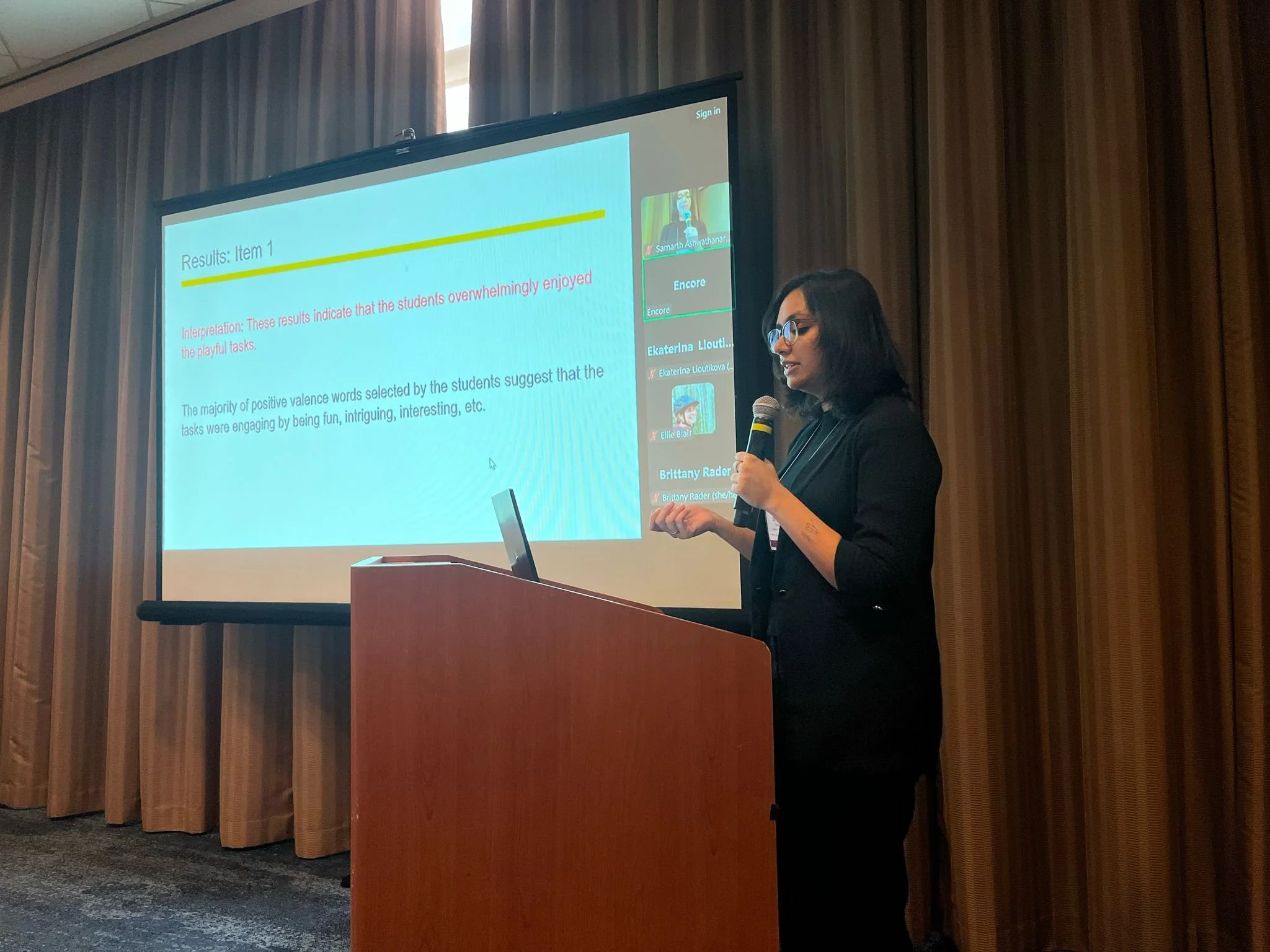
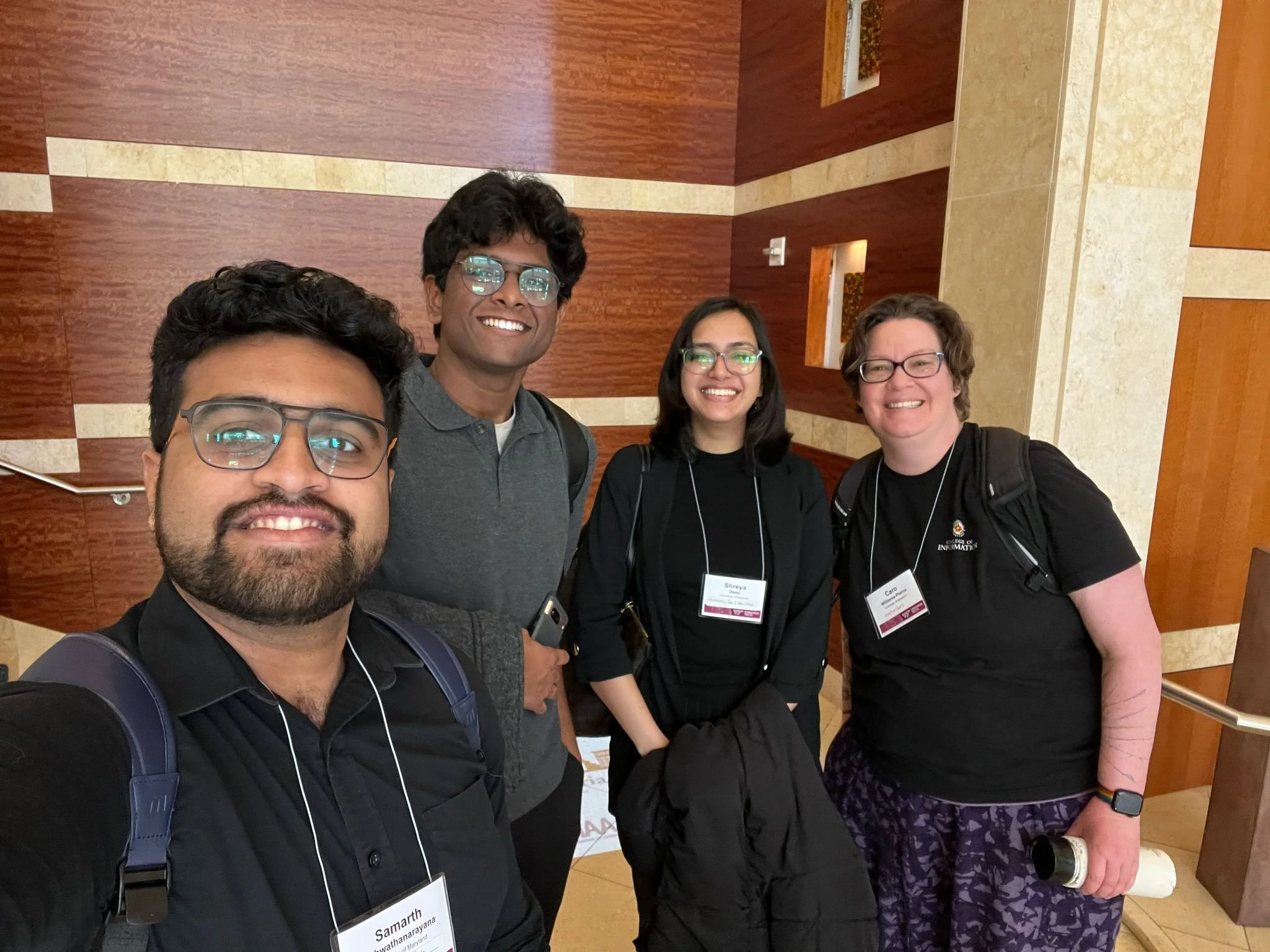
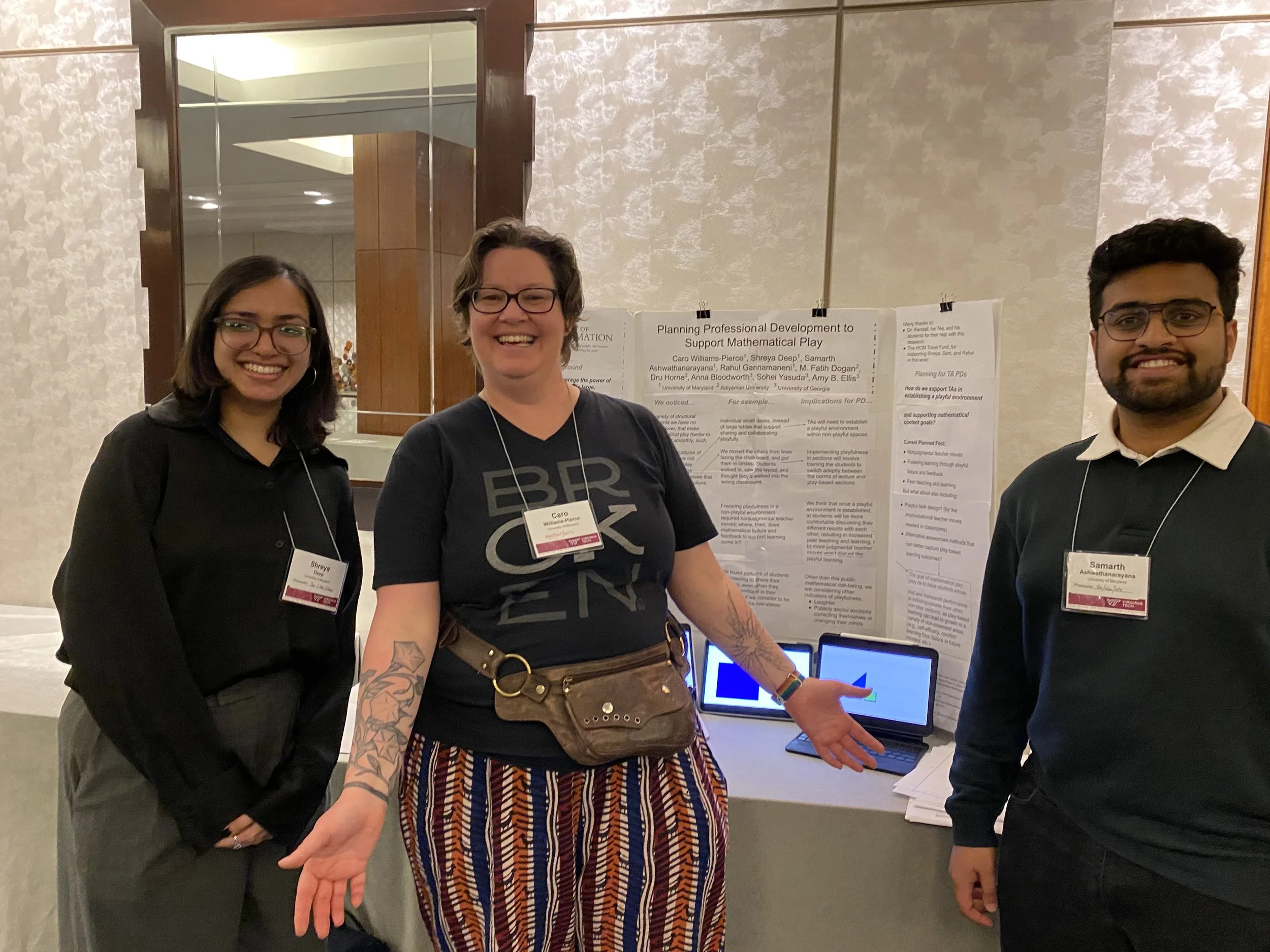
We presented our preliminary research paper and poster at the Conference for Research in Undergraduate Mathematics Education, 2025 at Alexandria, Virginia.
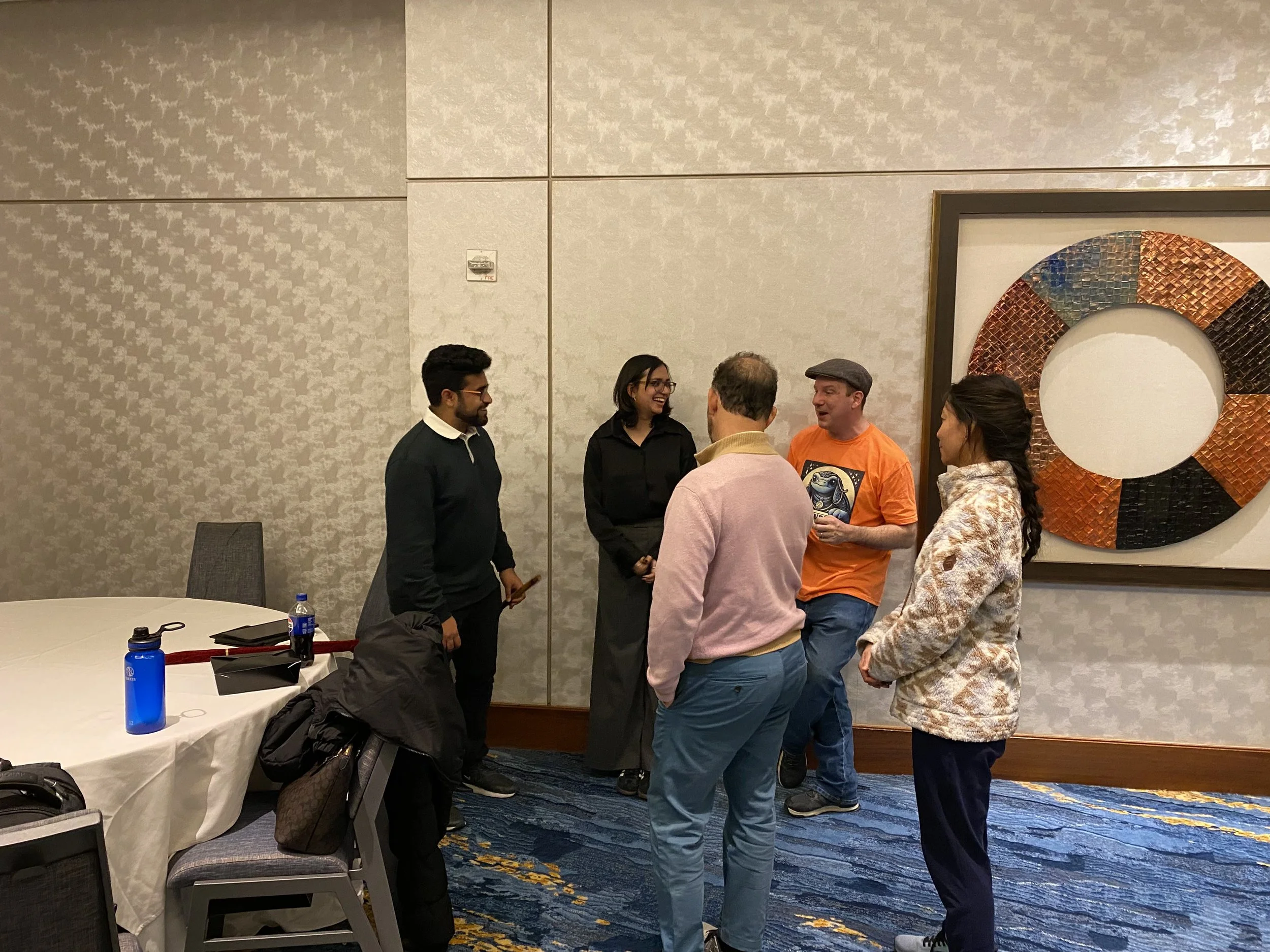
This experience was invaluable in connecting us with researchers and educators in undergraduate mathematics, and sharing our research and insights with them. Indulging in meaningful conversations about teaching, learning, and engagement in calculus classrooms further deepened my understanding of academic collaboration and communication.