Anchor: Transport for Mental Health
Pre-launch mobile application designed to support individuals experiencing mental health challenges.
Role — UX Designer | UX Researcher | Product Manager
Timeline — October 2024 - May 2025
Team — Capstone, University of Maryland: Olivia Gilfillan | Ming Rui Lee | Pavlo Soldatov Mulyk | Ruibin Zheng | Shreya Deep
Tools — Figma | Miro | Trello | Google Workspace
Designing a Journey Toward Healing
Anchor (name changed) is a pre-launch mobile application designed to support individuals experiencing mental health challenges. Anchor aims to connect individuals in mental health crises with non-emergency medical transport drivers to get them to professional mental healthcare providers.
This project was part of the MS in HCI Capstone course and completed for a private client through the iConsultancy at the University of Maryland. The project is under an NDA, therefore some identifying factors (such as the app name) have been changed, and limited details are shared here.
Feel free to contact me directly at shreyadp15@gmail.com for more details on the project.
Overview
Individuals experiencing mental health crises often face traumatic treatment, societal judgment, and stigma due to reliance on law enforcement and inadequate emergency services. Involuntary psychiatric detentions can intensify emotional distress and embarrassment. By overcoming existing usability and functionality issues through research-driven, intuitive design, Anchor aims to provide humane, dignified, and holistic support, reducing stigma and traumatic emergency interventions.
Anchor’s key features to facilitate such an experience is through providing transport, connected circle and wellbeing features.
My Role
This project allowed me to wear many hats, and helped me develop my skills in research, design and leadership.
I was one of the primary UX researchers on the team, handling the competitor audit and synthesizing data from our user interviews. I was also heavily involved in both designing and writing as well, and I was fortunate enough to work with a wonderful team that balanced out all the tasks effectively. During the second sprint of the project, I had the opportunity to lead the team as a project manager, which helped me hone my organizational skills and establish a strong foundation for structure and communication within our team and with the client.
Takeaways
Don’t box yourself in: While it’s important to take ownership on the aspects you’re most skilled at and comfortable with, it’s equally valuable to explore different roles within an environment that is supportive and safe to experiement in. This is one of the most effecive ways to learn! I did not think I’d be able to handle project management, especially at a nascent state of a year-long project. However, at the end of the sprint I was proud of how I had set up an effective channel for communication and organization within the team. I also dabbled in some brand design, and even conducted a workshop with the client to help them define their brand identity, which was an incredibly rewarding and insightful learning experience.
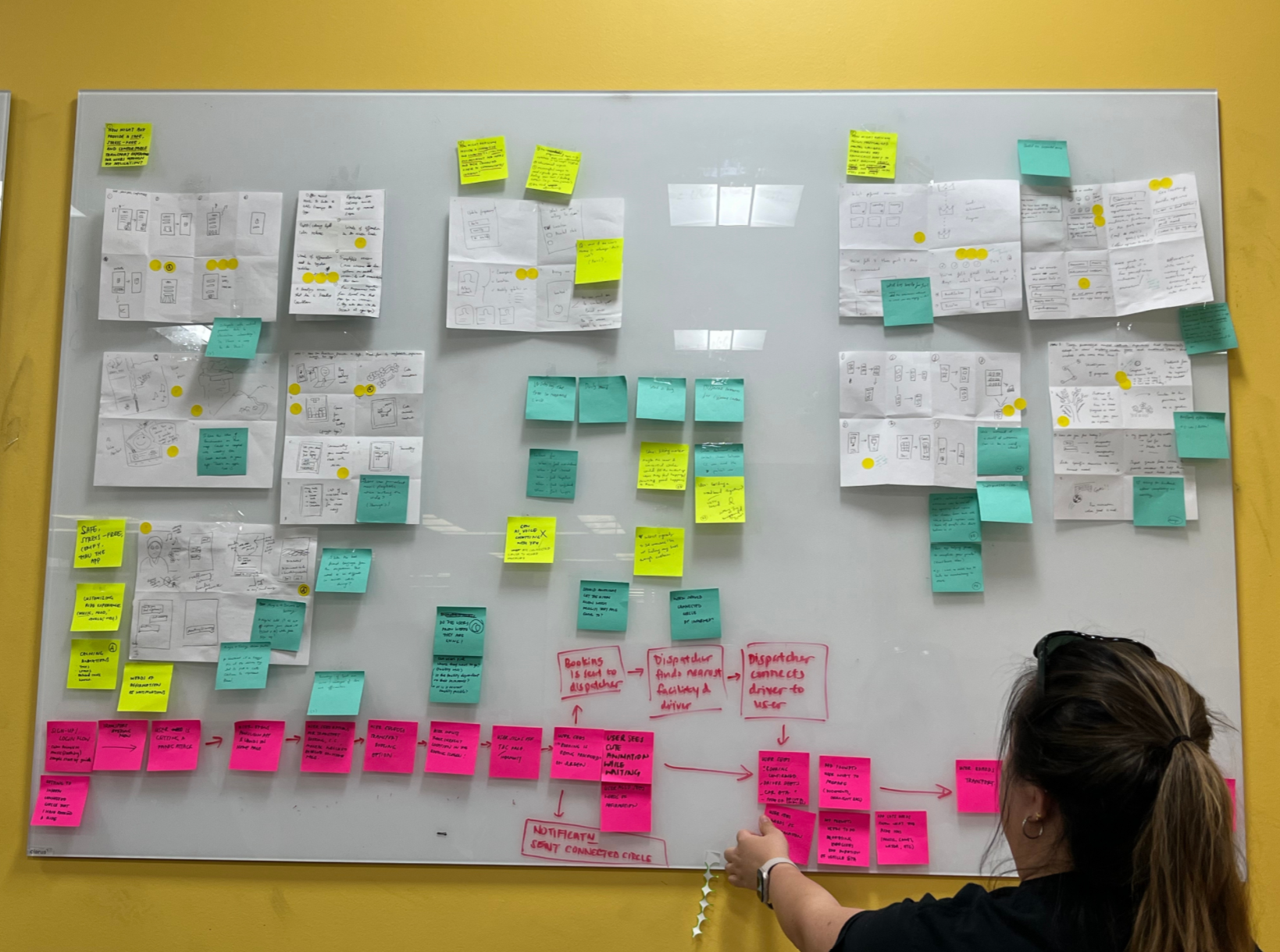
Document effectively: Handling such a big project seemed like a very daunting task, but once we started organizing our data in a way that worked for us it made things less scary and seamless. Nothing is more frustrating than not being able to find lost information when you need it the most! We primarily utilised Miro and Google Docs for our documentation purposes.
Know and advocate for your users: Understanding users’ needs, especially for a pre-launch app, proved to be crucial. Insightful research and analysis helped us uncover critical gaps in the business model, communicate our recommendations to the client accordingly, and design a brand that is considerate and respectful of a vulnerable user base.
Ask for guidance: Sometimes we would be at a cross roads about some issues that were out of our control. After much internal dicussion and brainstorming, I discovered that it is best to approach a higher authority (in our case, our Capstone instructor, the wonderful Prof. Stacy Surla) for their input.
Conclusion
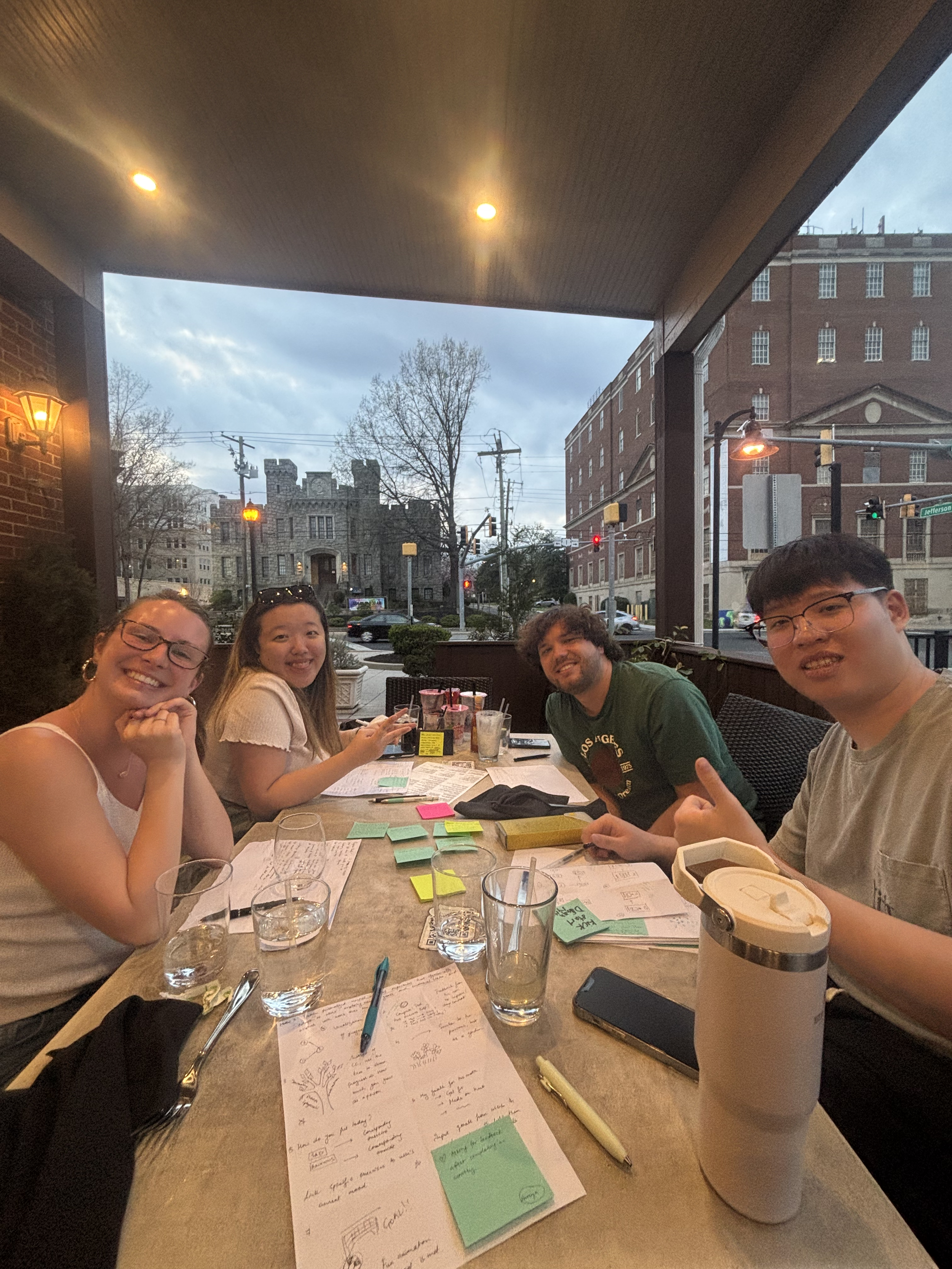
Working on this project was a journey in empathy, leadership, and growth. Designing for individuals in moments of mental health crisis challenged me to think beyond usability and functionality, and to design for dignity, trust, and emotional safety. Collaborating with a private client on a pre-launch product taught me how an empathetic and thoughtful design can transform moments of distress into a healing and empowering progress for the user.
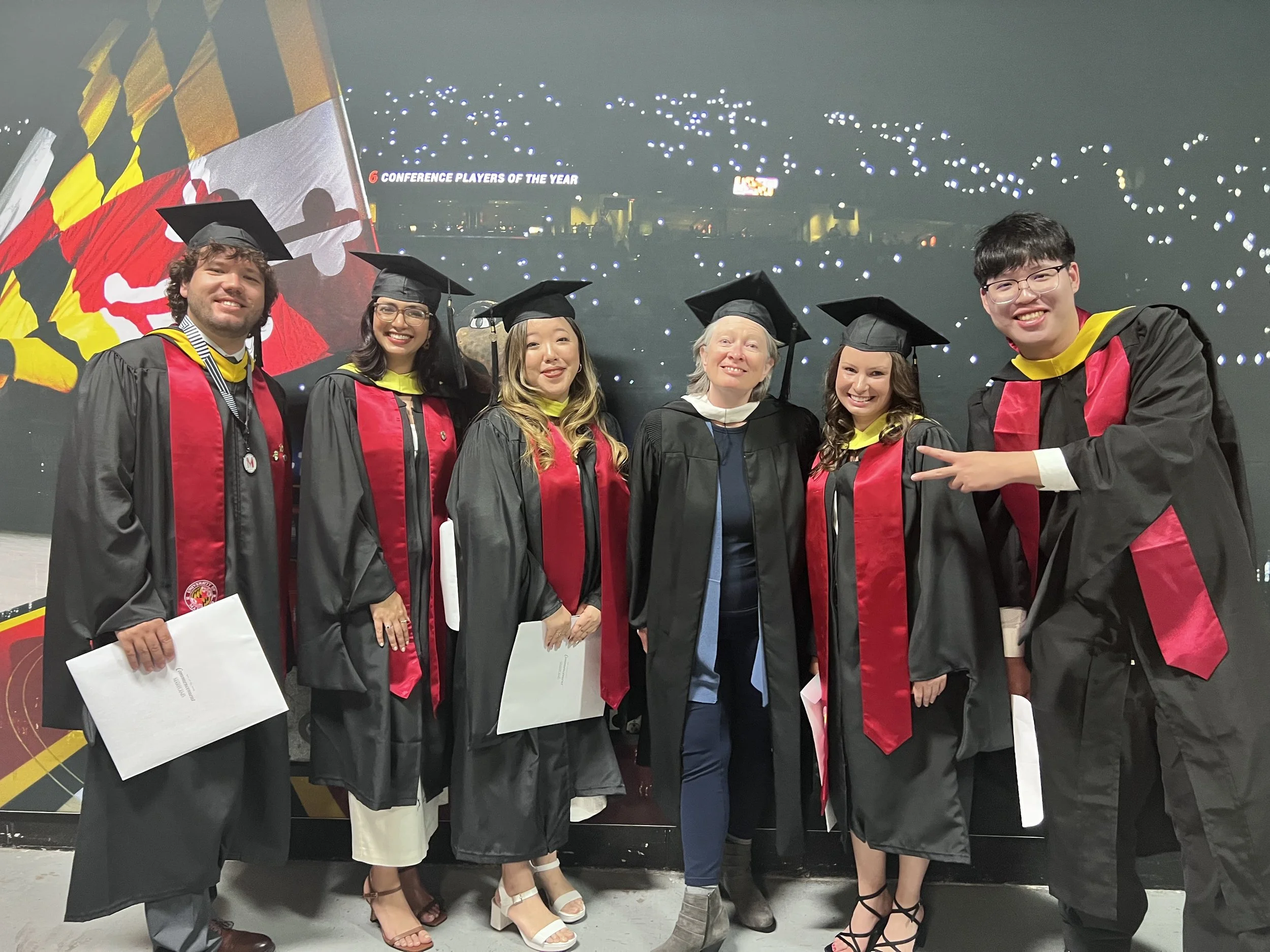
I would like to give a big thank you to my wonderful, passionate and resourceful teammates that made this learning journey a delight, and Prof. Stacy Surla for her insightful guidance and support throughout this project!